Designed for impact: Increasing conversions on a bicycle e-commerce platform
Designed for impact: Increasing conversions on a bicycle e-commerce platform
Designed for impact: Increasing conversions on a bicycle e-commerce platform
My Role
My Role
UX Researcher
UX Researcher
UX Designer
UX Designer
Skills
Skills
UX Research
Competive Analysis
Wireframes
Prototype
Hi Fidelity Mockups
Usability Testing
UX Research
Competive Analysis
Wireframes
Prototype
Hi Fidelity Mockups
Usability Testing
Timeline
Timeline
2 months
2 months
Industry
Industry
B2C, E-commerce
B2C, E-commerce
Setting the Scene
Setting the Scene
The Context
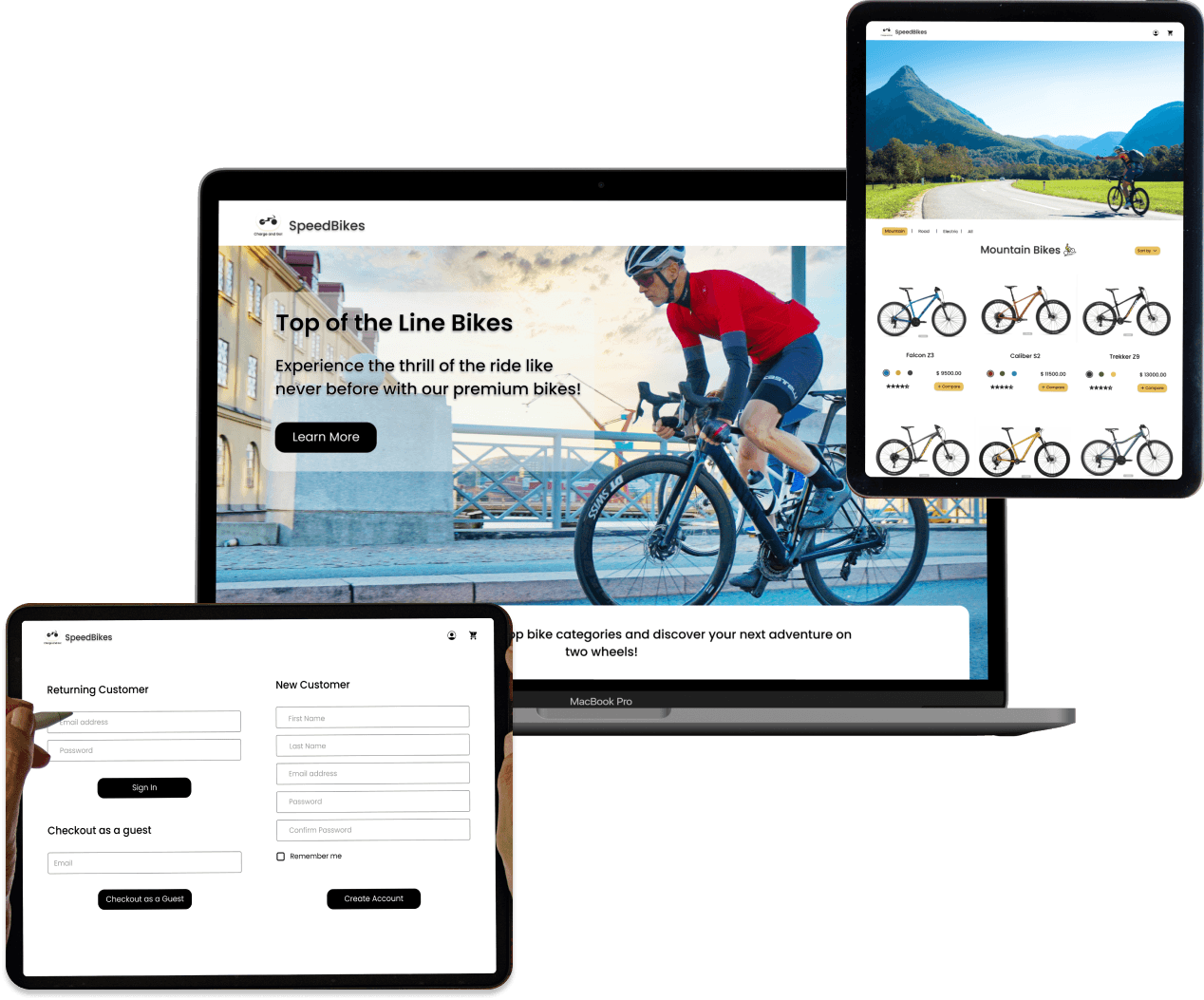
SpeedBikes is an e-commerce platform for cycling enthusiasts, offering a wide selection of bikes and accessories. While the website drew steady traffic, analytics uncovered critical pain points in the shopping journey. Half of users browsed an average of seven product pages without adding anything to the cart, signaling friction in comparing products and making confident purchase decisions.
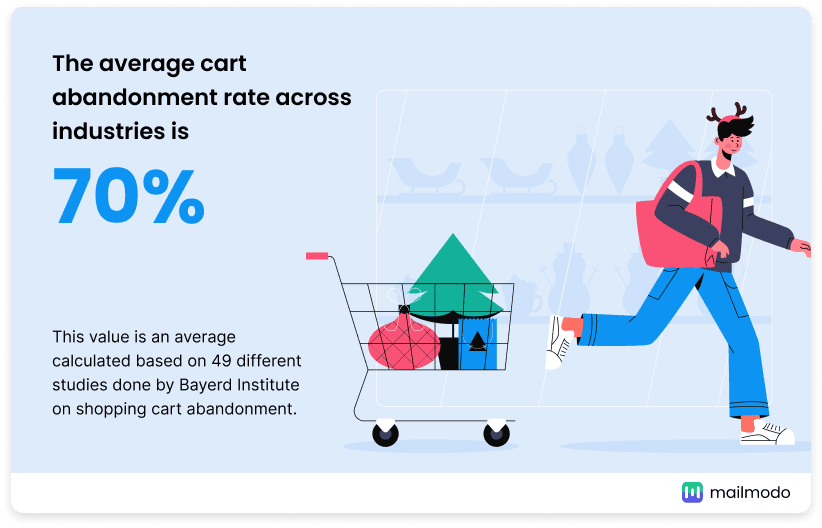
Even more concerning, 70% of users who placed items in their cart abandoned their purchase at the registration step, suggesting that account creation created unnecessary barriers to checkout.
The challenge was clear: improve the web experience to simplify product discovery and reduce checkout friction, ultimately driving higher conversions and revenue.
Project Overview
As the UX Designer, my focus was on turning a fragmented shopping journey into one that felt clear and effortless. I identified opportunities to simplify decision-making and reduce friction at checkout, then translated them into two key solutions: a bike comparison tool and a guest checkout option. Through iterative design and usability testing, these features were shaped to build user confidence and streamline the path to purchase.
As the UX Designer, my focus was on turning a fragmented shopping journey into one that felt clear and effortless. I identified opportunities to simplify decision-making and reduce friction at checkout, then translated them into two key solutions: a bike comparison tool and a guest checkout option. Through iterative design and usability testing, these features were shaped to build user confidence and streamline the path to purchase.
The Problem
The Problem
Data revealed two major friction points on SpeedBikes’ website: 50% of users browsed an average of seven product pages without adding items to the cart, and 70% of those who did add items abandoned their purchase at the registration step.
How might we design a web experience that helps users confidently compare products and reduces friction at checkout, so more shoppers complete their purchase?
Why It Matters?
Why It Matters?
High abandonment rates directly impact SpeedBikes’ revenue and customer trust. When half of users leave without adding items to the cart, and 70% abandon at checkout, the business loses both immediate sales and future loyalty. By improving product discovery and reducing friction at checkout, we not only unlock revenue opportunities but also create a smoother, more enjoyable shopping experience that encourages customers to return.
High abandonment rates directly impact SpeedBikes’ revenue and customer trust. When half of users leave without adding items to the cart, and 70% abandon at checkout, the business loses both immediate sales and future loyalty. By improving product discovery and reducing friction at checkout, we not only unlock revenue opportunities but also create a smoother, more enjoyable shopping experience that encourages customers to return.
Where it all began:
Where it all began:
Where it all began:
It all started with a puzzle: despite strong traffic, SpeedBikes’ website wasn’t converting visitors into buyers. Users were clearly interested—browsing multiple bikes—but something in the journey was breaking down.
The data revealed two critical pain points. Shoppers had no simple way to compare bikes, leading to decision fatigue, and many who made it to checkout abandoned their carts when faced with mandatory registration.
This became the foundation of my design challenge: reimagine the shopping experience so that exploring, comparing, and purchasing a bike online felt seamless and trustworthy.
The Solution
The Solution
To solve these challenges, I focused on removing friction and building user confidence. I designed a bike comparison tool that allowed shoppers to easily evaluate bikes side-by-side, eliminating the need to jump between tabs. I also introduced a guest checkout option, giving users a faster, more flexible way to complete their purchase without mandatory registration. Together, these features transformed browsing into decision-making and simplified checkout into a seamless experience.
To solve these challenges, I focused on removing friction and building user confidence. I designed a bike comparison tool that allowed shoppers to easily evaluate bikes side-by-side, eliminating the need to jump between tabs. I also introduced a guest checkout option, giving users a faster, more flexible way to complete their purchase without mandatory registration. Together, these features transformed browsing into decision-making and simplified checkout into a seamless experience.
Bike Comparison Tool
Compare bikes with ease! The side-by-side feature simplifies the decision-making process by eliminating the need to open multiple pages.
Compare bikes with ease! The side-by-side feature simplifies the decision-making process by eliminating the need to open multiple pages.

Guest Checkout
Creating an account can be a hassle, but with our guest checkout option, it's a breeze! Save time and prevent site abandonment with our trustworthy and convenient feature.
Creating an account can be a hassle, but with our guest checkout option, it's a breeze! Save time and prevent site abandonment with our trustworthy and convenient feature.

Impact: The Results
The redesigned experience directly addressed the biggest pain points in the shopping journey. By introducing bike comparison, users could confidently evaluate options without juggling multiple tabs, reducing decision fatigue and drop-offs during browsing. The guest checkout flow eliminated unnecessary barriers, making it faster and easier for shoppers to complete their purchase.
Together, these improvements had the potential to:

Design Process
Design Process
Project Plan
To complete the project within a tight 90-day timeline, we created a structured plan broken into six phases—discovery, design, validation, and iteration. Starting with surveys and competitor research, we built a persona to guide decisions, then moved quickly into wireframes and early usability tests to validate concepts. Leveraging a UI kit helped speed up high-fidelity design, and multiple test rounds ensured we stayed user-focused while meeting deadlines.
To complete the project within a tight 90-day timeline, we created a structured plan broken into six phases—discovery, design, validation, and iteration. Starting with surveys and competitor research, we built a persona to guide decisions, then moved quickly into wireframes and early usability tests to validate concepts. Leveraging a UI kit helped speed up high-fidelity design, and multiple test rounds ensured we stayed user-focused while meeting deadlines.

Research Phase
Research Phase
What Others Got Right: Competitive Analysis
What Others Got Right: Competitive Analysis
To design a seamless user experience, I began by studying competitors and conducting surveys with our target audience, uncovering insights that shaped the foundation of the project. I explored how Amazon, Target, and Trek Bikes approached similar challenges, which provided valuable insights into proven patterns and opportunities to improve SpeedBikes’ experience.
To design a seamless user experience, I began by studying competitors and conducting surveys with our target audience, uncovering insights that shaped the foundation of the project. I explored how Amazon, Target, and Trek Bikes approached similar challenges, which provided valuable insights into proven patterns and opportunities to improve SpeedBikes’ experience.

Insights - What we learned?
Insights - What we learned?
Clear, Intuitive UI is Standard
Amazon, Target, and TrekBikes all emphasize simple navigation and clear CTAs—users expect a frictionless shopping flow.
Clear, Intuitive UI is Standard
Amazon, Target, and TrekBikes all emphasize simple navigation and clear CTAs—users expect a frictionless shopping flow.
Product Reviews Build Trust
Reviews and ratings are consistently provided across competitors, helping users make informed purchase decisions.
Product Reviews Build Trust
Reviews and ratings are consistently provided across competitors, helping users make informed purchase decisions.
Comparison Tools Are Weak or Missing
Amazon allows comparisons but only after adding items to the cart, Target offers none, and TrekBikes provides a limited comparison feature. This gap highlights a strong opportunity for SpeedBikes to stand out with a comprehensive comparison tool.
Comparison Tools Are Weak or Missing
Amazon allows comparisons but only after adding items to the cart, Target offers none, and TrekBikes provides a limited comparison feature. This gap highlights a strong opportunity for SpeedBikes to stand out with a comprehensive comparison tool.
Continue Shopping Options Are Limited
None of the competitors provide a seamless way to continue shopping after adding items to the cart. Improving this flow can reduce friction.
Continue Shopping Options Are Limited
None of the competitors provide a seamless way to continue shopping after adding items to the cart. Improving this flow can reduce friction.
Guest Checkout Is Rare
Both Amazon and Target lack guest checkout, while TrekBikes provides it. Offering guest checkout would remove a key barrier at purchase.
Guest Checkout Is Rare
Both Amazon and Target lack guest checkout, while TrekBikes provides it. Offering guest checkout would remove a key barrier at purchase.
Progress Bar Improves Confidence
Most competitors don’t offer a progress bar during checkout, except TrekBikes. Adding this simple visual cue can help users know where they are in the process and reduce abandonment.
Progress Bar Improves Confidence
Most competitors don’t offer a progress bar during checkout, except TrekBikes. Adding this simple visual cue can help users know where they are in the process and reduce abandonment.
User Survey
User Survey
To understand user concerns and identify opportunities to improve conversions, I conducted a survey focused on the online bike-buying experience. The research aimed to uncover why users abandon sites, what features they value most, and what makes them feel secure when sharing personal information.
What we learned:
Buying preference: 66.7% still prefer to purchase bikes in-store.
Browsing behavior: 44.4% go online without a clear choice, researching before they decide.
Decision drivers: Price, ratings & reviews, product specs, and brand emerged as the most important factors in making a purchase.
Pain points: The biggest frustrations online were long checkout processes and the lack of real-time customer support, both of which contributed to cart abandonment.
These findings highlighted the need to simplify product research, streamline checkout, and build trust to move users from browsing to buying.
Persona
Persona
The survey results gave me a clear picture of who SpeedBikes’ core users are and what challenges they face. To bring these insights to life, I synthesized the data into a persona that captured both their goals and frustrations.

User Flow
User Flow
To bring clarity to the user journey, I mapped out the red route—covering browsing, selecting, comparing, and checkout. This flowchart helped me visualize every decision point, from adding items to the cart to completing checkout, ensuring no critical steps or pain points were overlooked. By breaking down the process, I was able to identify where users might drop off and where design improvements, like guest checkout and comparison features, would make the most impact.
To bring clarity to the user journey, I mapped out the red route—covering browsing, selecting, comparing, and checkout. This flowchart helped me visualize every decision point, from adding items to the cart to completing checkout, ensuring no critical steps or pain points were overlooked. By breaking down the process, I was able to identify where users might drop off and where design improvements, like guest checkout and comparison features, would make the most impact.

Initial Wireframing
Initial Wireframing
With the user flow mapped out, I translated the journey into low-fidelity wireframes. These early sketches focused on structure and functionality—browsing bikes, comparing options, and streamlining checkout. Keeping things simple allowed me to validate the flow quickly, gather feedback, and iterate without getting distracted by visual details.
User Flow 1: Browsing and comparing bikes
User Flow 1: Browsing and comparing bikes

User Flow 2: Add an item to the cart and checkout as a guest
User Flow 2: Add an item to the cart and checkout as a guest

Design Solution
Design Solution
To address the high drop-off rates, I designed a streamlined e-commerce flow that made it easier for users to browse, compare, and purchase bikes. Key solutions included:
Simplified checkout – introducing guest checkout and a progress bar to reduce friction and build trust.
Product comparisons – enabling side-by-side views of bikes to help users make confident decisions.
Clear navigation & CTAs – intuitive pathways for browsing and continuing shopping without losing items.
User-centered refinements – every step was informed by user research, competitor insights, and iterative testing to ensure a smooth, trustworthy experience.
This solution not only reduced frustration but also aligned with business goals of increasing cart completion and boosting revenue.
Usability Testing Key Findings & Iterations
Usability Testing Key Findings & Iterations
Issue # 1: The heading on the page on an image was hard to read
Solution: I added a semi-transparent layer underneath to improve the legibility of the headline.


Issue # 2: According to WCAG guidelines, the red color used on the progress bar may be perceived as alarming.
Solution: I changed the color from red to blue to ensure compliance with WCAG's accessibility standards.


Trade-offs and Design decisions
Trade-offs and Design decisions
Every design choice came with a trade-off, and part of the challenge was finding the right balance. One of the biggest tensions was around checkout. The business wanted users to create accounts, but forcing registration was causing people to abandon their carts. The compromise was a guest checkout option—letting people buy quickly, while still inviting them to sign up later.
Another challenge was product comparison. We could have added every possible detail, but that risked overwhelming shoppers. Instead, I kept it focused on what mattered most: price, ratings, specs, and brand. This gave users just enough clarity to feel confident without slowing them down.
Finally, I looked at checkout flow. Many competitors offered long, multi-step processes that left users guessing how far they were from the finish line. To make things smoother, I added a progress bar, so users felt reassured and in control every step of the way.
Each of these choices meant leaving something on the table, but together they created an experience that was simpler, faster, and more user-friendly—without losing sight of the business goals.
What I learned?
What I learned?
Balancing business goals with user needs
This project taught me the importance of balancing business goals with user needs. While the business wanted more data from registrations, it became clear that forcing it too early only hurt conversions. Designing guest checkout showed me how a thoughtful compromise can serve both sides.
This project taught me the importance of balancing business goals with user needs. While the business wanted more data from registrations, it became clear that forcing it too early only hurt conversions. Designing guest checkout showed me how a thoughtful compromise can serve both sides.


When simple choices drive confident decisions
I also learned that simplicity often wins over complexity. Instead of overloading the comparison tool with endless specs, focusing on what mattered most to users—price, reviews, and key features—made the experience more usable and impactful.
I also learned that simplicity often wins over complexity. Instead of overloading the comparison tool with endless specs, focusing on what mattered most to users—price, reviews, and key features—made the experience more usable and impactful.
Small changes, better experiences
Most importantly, I learned that small design details can change the entire experience. Something as simple as a progress bar reduced anxiety during checkout and gave users a sense of control, proving that even small touches can have a big impact on trust and completion rates.
Most importantly, I learned that small design details can change the entire experience. Something as simple as a progress bar reduced anxiety during checkout and gave users a sense of control, proving that even small touches can have a big impact on trust and completion rates.

more to explore.
more to explore.

TripMate
TripMate
Designed a conversational AI travel agent for personalized vacation planning
Designed a conversational AI travel agent for personalized vacation planning

Multimedia Arts
Multimedia Arts
Multimedia projects ranging from 3D design to posters, logos, and visual assets—bringing ideas to life through impactful visuals.
Multimedia projects ranging from 3D design to posters, logos, and visual assets—bringing ideas to life through impactful visuals.